
TRAFIKCONIA
When I see a new plant or flower, I try to learn as much about it as I can. It’s great having an encyclopedia at your fingertips. The most interesting plants that I have come upon has been Fireweed in Alaska and Kudzu in North Carolina. That is, until discovering Trafikconia in Quebec in 2025. It is very wide-spread and worthy of some research.
Trafikconia is a species native to North America. It is especially abundant in Canada, Alaska, and the northern states during the summer months. It is hardy all year long in the middle and southern parts of the US. Trafikconia is usually about 3 ft. tall with some reaching up to 5 feet. There are several varieties of Trafikconia. One is cone-shaped, another is slim and cylindrical while a heartier one is barrel shaped. All are bright and showy, usually orange in color with either silver or white stripes and have a black root.
Be on the lookout. If you want a cutting, I’ll bet you can find some Trafikconia in your neighborhood.
Trafikconia grows in a wide variety of habitats, but prefers well-lit, disturbed soils near hard surfaces. It tolerates high traffic areas easily. There are reports that Trafikconia can even be grown by hydroponics.
In most instances, the common Trafikconia is easily and widely distributed by humans. Its spread, however, can be controversial. Generally, it is considered invasive as it is prolific and often appears overnight without any notice. In other areas, its planting is so highly anticipated that it requires great skill. Large companies with expert engineers and large labor pools compete for the opportunity to provide the service by submitting bids and proposals. For these large-scale operations, specialized equipment is needed. Large trucks for distribution and harvesting, tank trailers or trucks for watering, lights for nonstop planting, and in some instances grow lights are used. With trained crews, truckloads of Trafikconia can be planted very quickly. Massive planting and harvesting are frequently accompanied by portly bodyguards that direct vehicles around the area for close viewing and for its protection. In some cases, when Trafikconia is about to bloom, large signs are posted to announce its arrival. Where it is abundant and in full bloom, it attracts so much attention that it causes long lines and some major traffic jams. Peak Trafikconia season can be accompanied by widespread dust. Its pollen is very fragrant. As it reaches maturity and before harvest time, companion plants are usually planted nearby.
More indepth research has led to the discovery that there is a species, Trafikconia Oregonus, which is dioecious, with separate male and female plants. Understanding the distinctions between male and female plants will be essential for anyone interested in the prorogation of Trafikconia. Typically, in plant reproduction, males contribute by providing pollen necessary for fertilization, whereas females receive this pollen to produce seeds and fruits. Examples of this are the Ginkgo trees whose male trees provide pollen during springtime which is crucial for fertilizing nearby female trees. Pistachios require both male and female plants but only females produce edible nuts after receiving pollen. Cucumber’s male flowers bloom ahead of the females to ensure timely pollination. And of course, if you live in Texas, you know how much pollen (and its effect on some people) the male Ashe Junipers (cedars) produce.
We have seen the unusual green variety around Cleveland, Ohio and also near Lake Louise, Alberta, CA.
We’ve also seen it growing hydroponically a couple of times. Our most recent sighting was the Oregonus, both the male and female plants. Upon that sighting, we determined that we would be like birders and keep a ‘life list’ of Trafikconia sightings.

ANNOUNCING THE UPCOMING TRAFIKCONIA SEASON

STANDING GUARD

A TRUCK LOAD OF CUTTINGS

READY FOR PLANTING

GROWING HYDROPONICALLY

HARVESTING

SPECIAL EQUIPMENT NEEDED: TANKS FOR WATERING
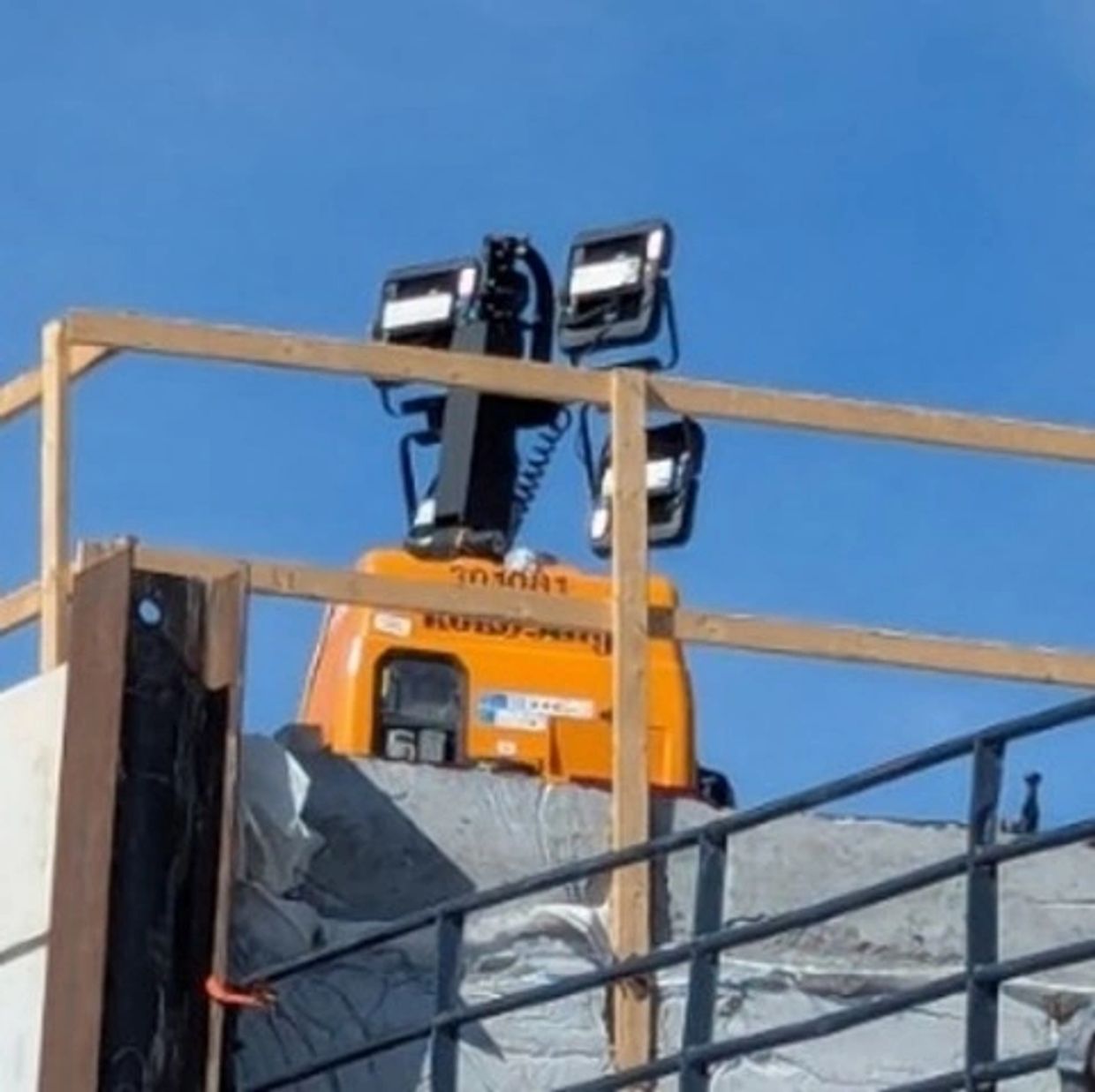
SPECIAL EQUIPMENT NEEDED: LIGHTS FOR NIGHT TIME SPECTATOR VIEWING

SPECIAL EQUIPMENT NEEDED: GROW LIGHTS
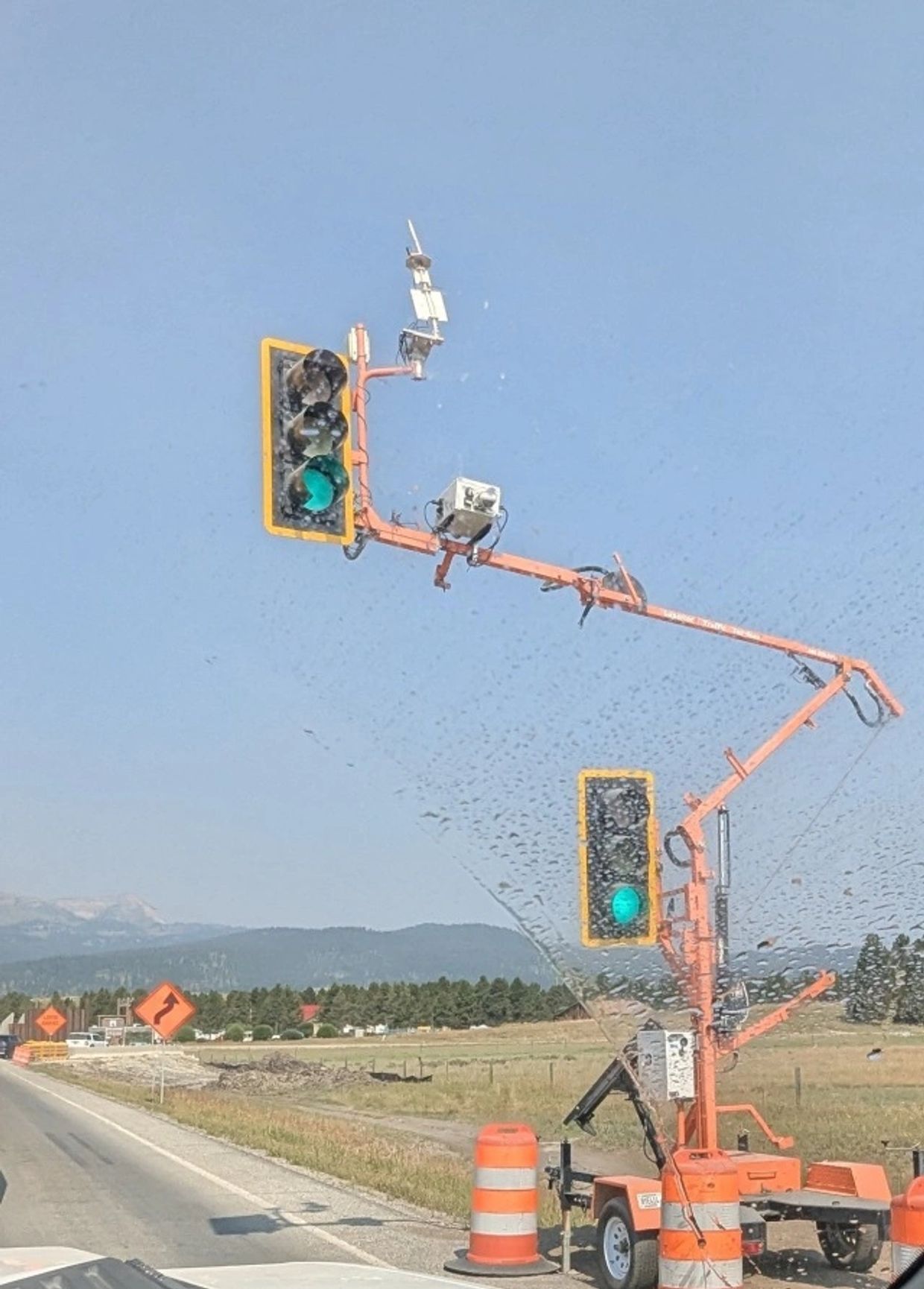
SPECIAL EQUIPMENT NEEDED: AUTOMATED TRAFFIC CONTROL DURING PEAK SEASON
LIFELIST OF CANDIAN VARIETIES OF TRAFIKCONIA

Quebekias - Quebec 2025

NUBRUNISA - New Brunswick 2025

SCOTIA FLAT LEAF - Nova Scotia 2025

ALBAQUA - Alberta 2026

WICHEA - Ontario 2025

MONTREKES - Montreal 2025
LIFELIST OF AMERICAN VARIETIES OF TRAFIKCONIA

VERMANUS - Vermont 2025

WASONE - a rare single one being well protected - Washington 2026

IDAOS (in front) and IDACIOUS (in back), possible the oldest known species - Idaho 2026

MINIATURE YORKIE - New York 2025

CLEO - Cleveland, Ohio 2025

OREGUS - Oregon 2025